
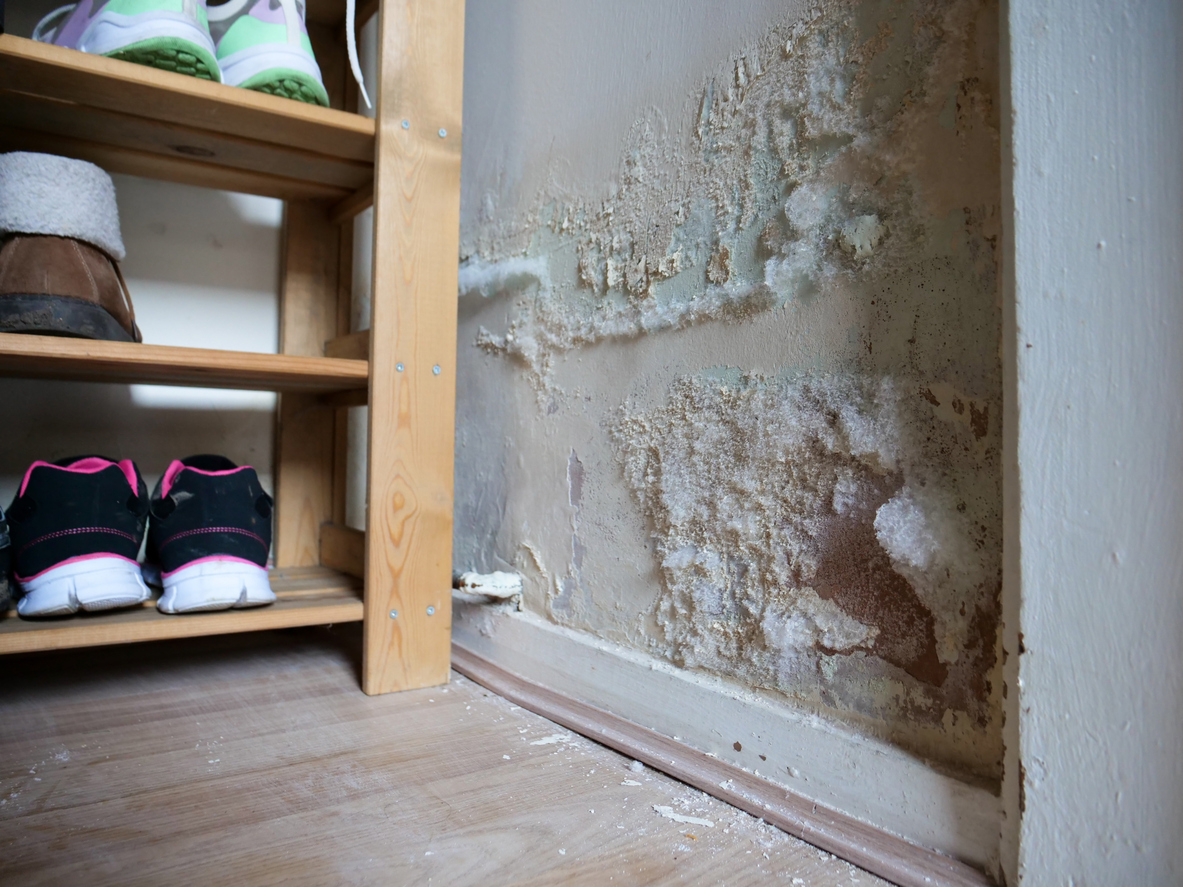
Not many household discoveries trigger instant panic like finding a patch of black mold. A single dark spot on the drywall can have homeowners imagining hazmat suits, condemned house signs, and a documentary crew talking to the neighbors.
But is black mold really dangerous, or has its reputation gotten ahead of the science?
Like many things, the truth typically lies somewhere in the middle. It's true that mold exposure can sometimes cause real health problems, particularly for people with allergies, asthma, or weakened immune systems. But the idea that any dark-colored mold is uniquely poisonous, or that Stachybotrys chartarum automatically requires an ER trip, isn't supported by current evidence.
Here's what homeowners should actually know.
1. What Is Black Mold?
"Black mold" is the commonly used term to describe Stachybotrys chartarum, a greenish-black mold that can grow indoors. But color alone isn't a reliable identifier of a mold species. Mold may look black, brown, green, or somewhere in between.
Generally, homeowners don't need to determine which species of mold is growing in their home. Regardless of the variety, visible mold is indicative of a moisture problem and needs immediate attention.
2. How It Looks and Where It Grows
Black mold often appears as greenish-black and favors materials containing cellulose. Common targets include:
- Drywall and gypsum board
- Paper products
- Fiberboard
- Wood and other building materials
In other words, the average home provides a pretty impressive buffet for mold if those materials stay wet.
3. Conditions That Cause Black Mold Growth
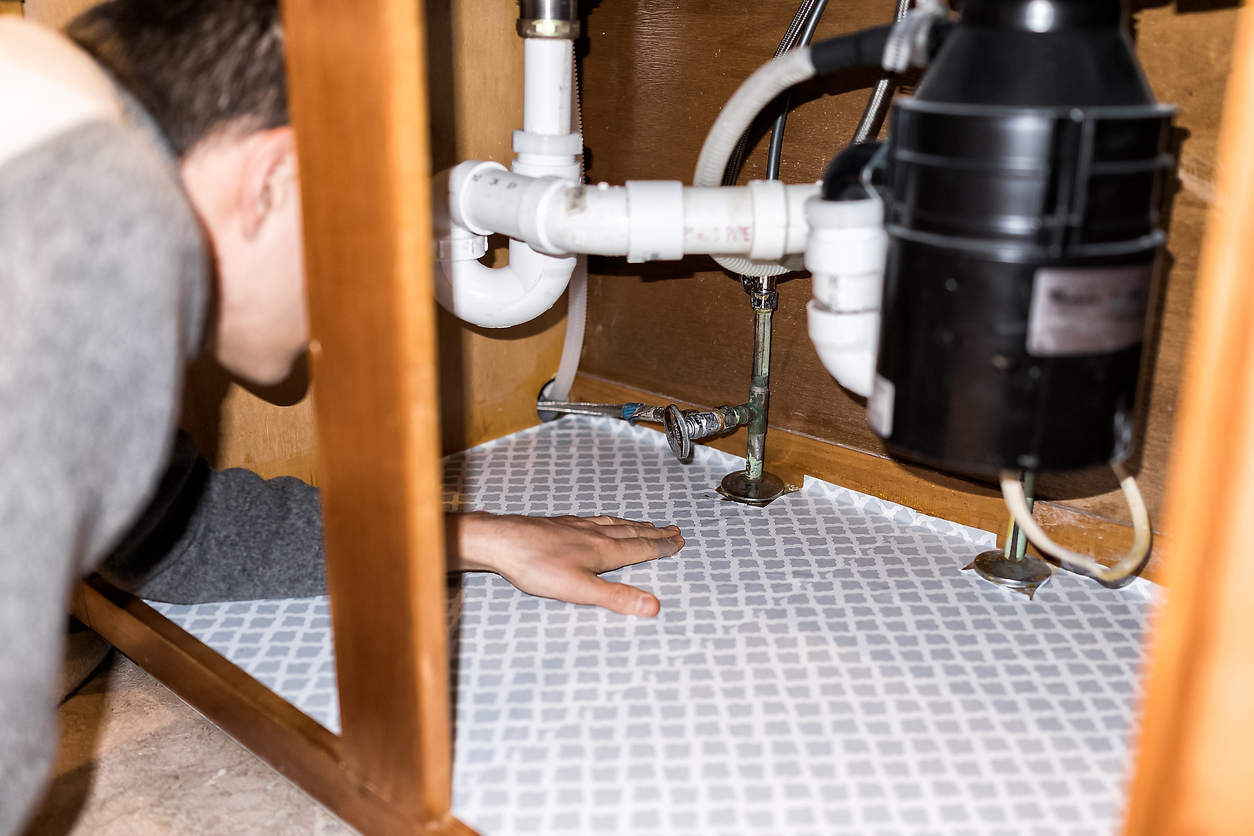
Mold needs moisture to grow. Black mold in particular needs consistently damp or humid conditions and often develops following plumbing leaks, roof leaks, condensation, flooding, or other water intrusion.
That means stopping the leak at its source is more important than the mold's color.
After water damage, act quickly. Dry wet materials within 24–48 hours to help prevent mold growth.
4. Common Health Claims About Black Mold
If you Google "symptoms of black mold exposure," you'll encounter claims involving everything from headaches to neurological damage. This is where separating black mold facts from black mold myths becomes especially important.
What's Scientifically Proven
Research has established a link between damp or moldy indoor environments and respiratory and allergic problems. Ultimately, mold health risks vary depending on the individual.
If someone is immunocompromised or allergy-prone, exposure may contribute to:
- Stuffy or runny nose
- Sore throat
- Coughing
- Wheezing
- Red, itchy, or irritated eyes
- Skin irritation or rash
- Worsening asthma symptoms
What's Exaggerated or Unproven
Where things get murkier is the claim that black mold alone commonly causes a variety of serious illnesses. According to the CDC, the link between black mold and acute idiopathic pulmonary hemorrhage in infants has yet to be proven, and there still isn't a test that definitely identifies mold as the main cause of particular health symptoms.
That doesn't mean mold is safe and should be left to spread. It just means a particular mold species shouldn't be the automatic scapegoat for every allergy or symptom. If you're experiencing chronic allergies or respiratory issues, a medical evaluation is recommended.
Don't rely on a mold species or color alone to explain persistent health symptoms. Address the moisture and mold problem, and seek medical advice for ongoing respiratory or allergy concerns.
5. The "Toxic Mold" Myth Explained
So, is black mold toxicity a myth? The terminology is misleading.
Certain molds, including black mold, can produce mycotoxins under certain conditions. However, toxigenic molds themselves are not inherently "toxic" or poisonous. Treat mold that produces mycotoxins the same way you'd treat any indoor mold: address the cause of the problem and seek mold removal service as soon as possible.
Found black mold in your home?
We can inspect affected areas, identify moisture problems, and provide professional mold remediation.
6. Who Is Most at Risk From Black Mold Exposure?
So, how dangerous is black mold really? The answer really depends on who's being exposed.
People With Allergies or Asthma
People with mold allergies will experience stronger reactions, while mold can trigger an asthma attack if spores are inhaled.
Infants and the Elderly
Young children and older adults require more caution around mold contamination, particularly if other respiratory problems are present. If your home is undergoing mold remediation, limit exposure for sensitive household members during the process.
People With Compromised Immune Systems
People with compromised immune systems or chronic lung disease are at risk of respiratory infection.
Any household member with asthma, severe allergies, chronic lung disease, immune suppression, or unexplained persistent symptoms should consult a healthcare professional before attempting mold cleanup.
7. Real Symptoms of Black Mold Exposure
There isn't a universal set of "black mold symptoms" that proves exposure. Mold-related symptoms overlap with other health issues, like allergies, respiratory illnesses, and numerous other conditions.
A more useful way to think about it is:
- Allergic: Sneezing, runny nose, itchy eyes, skin rash
- Respiratory: Coughing, wheezing, throat irritation
- Asthma-related: Chest tightness, wheezing, shortness of breath
- Irritation: Burning eyes, nose, or throat irritation
These symptoms don't prove mold is the culprit. And since health effects beyond allergies and irritation from mold inhalation are less commonly reported, research is ongoing.
8. What to Do If You Find Black Mold in Your Home
Don't panic. First, calmly identify and fix the moisture source. If mold is covering less than about 10 square feet, it's possible to handle cleanup yourself, but larger areas, hidden mold, HVAC contamination, extensive water damage, or household health concerns require professional remediation.
It might be tempting to just paint over mold. This is never recommended. Affected materials must be removed or cleaned. Dry the area thoroughly and address all underlying moisture problems.
It's important to note that dead mold can still trigger allergic reactions, so simply killing it isn't enough.
Focus on removing the moisture source and properly addressing affected materials instead of simply painting over visible mold.
Treat the Mold, Not the Myth
Black mold needs immediate attention, not a frantic WebMD self-diagnosis session. While it can sometimes trigger allergies, respiratory irritation, and asthma, especially in vulnerable individuals, not every dark spot is uniquely "toxic" or to blame for unexplained symptoms.
If you notice widespread growth, hidden moisture, or water-damage-related mold, Five Star Restoration can inspect affected areas, correct the moisture source, and provide professional remediation.
Acting early prevents a manageable issue now from becoming a major restoration project later.
Found Mold in Your Home?
We can inspect affected areas, identify moisture problems, and provide professional remediation. Call us now or request an estimate.
(844) 747-2110Get Free Estimate →No obligation. Crews available 24 hours a day.
Black Mold? We Find the Moisture and Treat the Problem.
Tell us what you are seeing. We will call you back quickly to discuss an inspection.
Request a Mold Assessment
Fill this out and a team member will call you back, usually within 15 minutes.
What Happens Next
We Call You Back
A team member reaches out within 15 minutes to understand the situation and confirm your location.
We Inspect the Affected Area
We assess visible growth, moisture conditions, and areas that may require further inspection.
We Address the Moisture and Mold
We identify the moisture source and provide appropriate cleaning, removal, drying, or remediation.
We Help Restore Your Home
We document the affected areas and help return your home to a clean, dry condition.