Summer storms might cool extreme temperatures, but they can also create ideal conditions for mold growth inside your home. Heavy rain, high humidity, roof leaks, and flooding often leave behind hidden moisture, and mold loves that.
The tricky part? Mold can begin growing in as little as 24 to 48 hours after water intrusion if affected materials are not dried properly.
Understanding how summer storms contribute to mold growth not only helps protect your property and indoor air quality but also your wallet.
Why Summer Storms Create the Perfect Environment for Mold
Unlike inclement winter weather, summer brings a combination of heat and moisture. Even a small roof leak or minor flooding can create damp spaces behind walls, beneath flooring, and inside insulation.
Common causes of post-storm mold include:
- Roof leaks from wind damage
- Flooded basements or crawl spaces
- Overflowing gutters and poor drainage
- Water intrusion through windows or doors
- High indoor humidity after heavy rainfall
Once moisture gets trapped, mold spores already present in the air can quickly begin colonizing damp building materials.
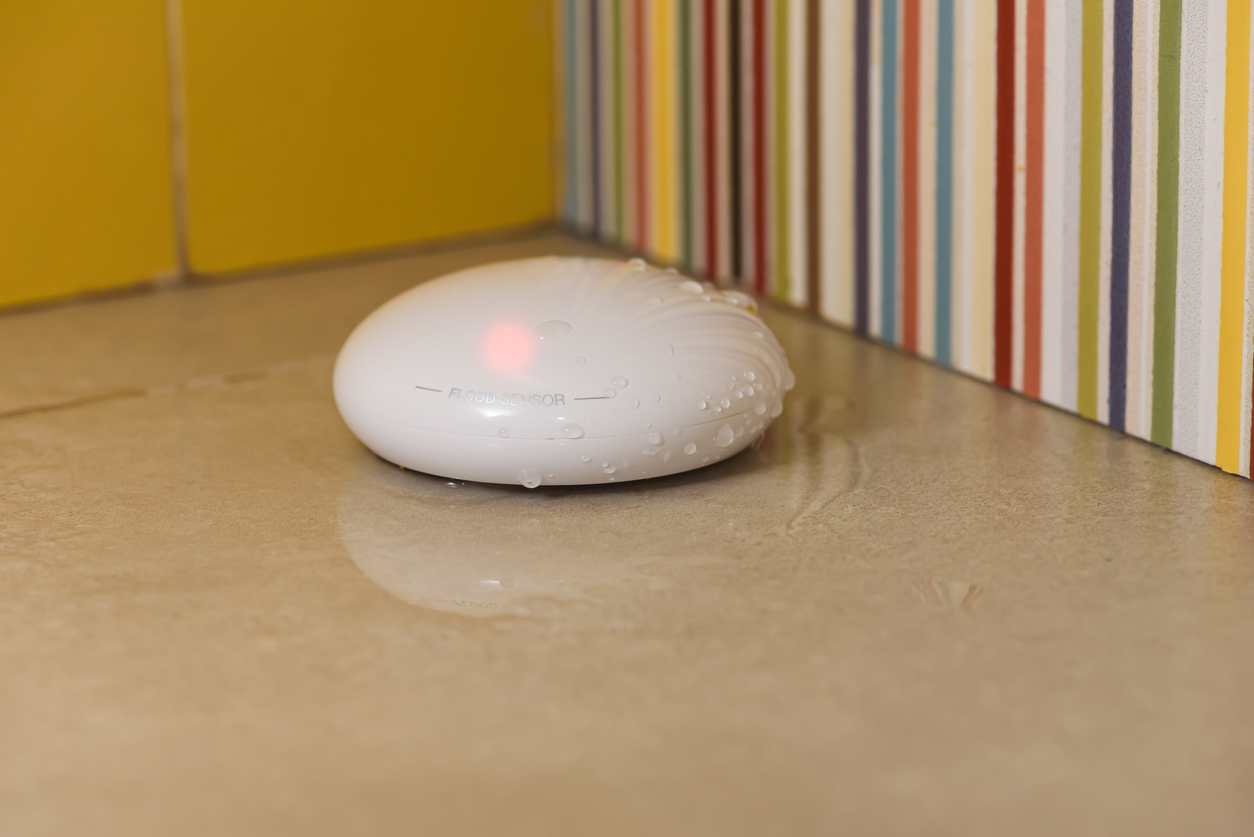
Do not assume your home is dry just because standing water is gone. Hidden moisture often requires professional moisture detection equipment.
Warning Signs Mold May Be Growing After a Storm
Mold problems are not always immediately visible. In many cases, it develops behind walls or under flooring long before homeowners notice an issue.
Keep an eye out for these warning signs:
- Musty or earthy odors
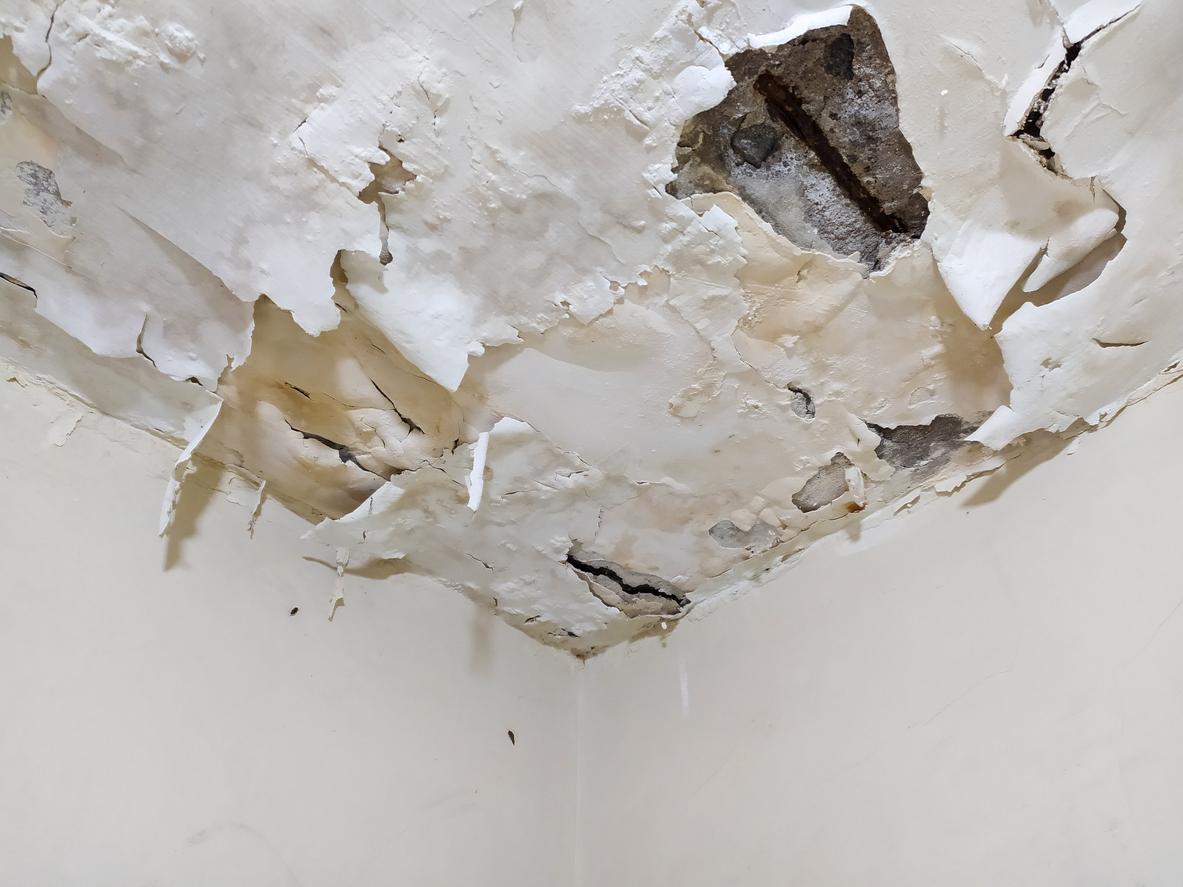
- Water stains on walls or ceilings
- Peeling paint or bubbling drywall
- Increased indoor allergies
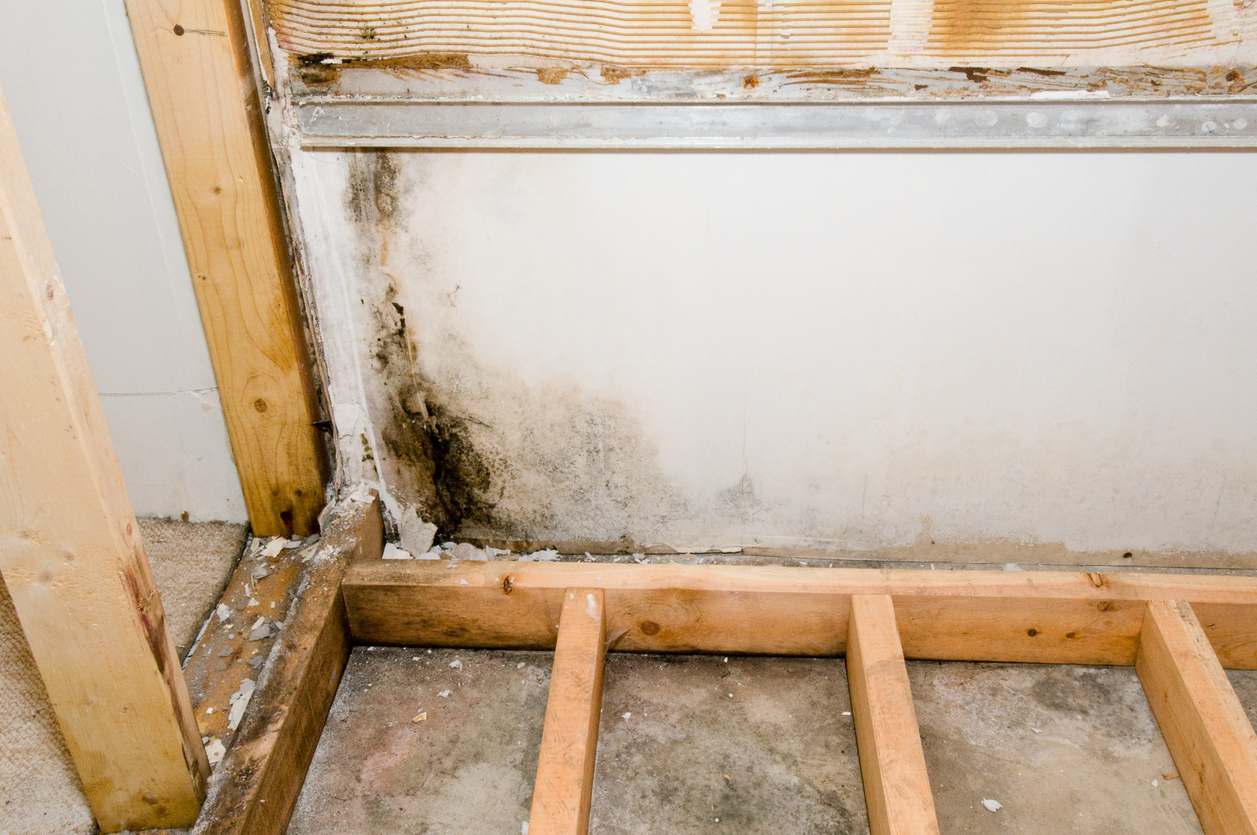
- Visible spots on surfaces (black, green, or white)
The sooner these warning signs are addressed, the easier and less expensive the restoration process typically becomes.
If you notice a musty smell after a storm, do not simply mask it with air fresheners. The odor often signals hidden moisture that should be inspected professionally.
Suspect mold after a storm?
We provide professional mold inspection, testing, and remediation. Call us and we will assess your home fast.
How to Reduce the Risk of Mold After Summer Storms
Fast action makes all the difference after water enters your home.
Follow these best practices:
- Remove standing water immediately
- Dry affected areas within 24 to 48 hours whenever possible
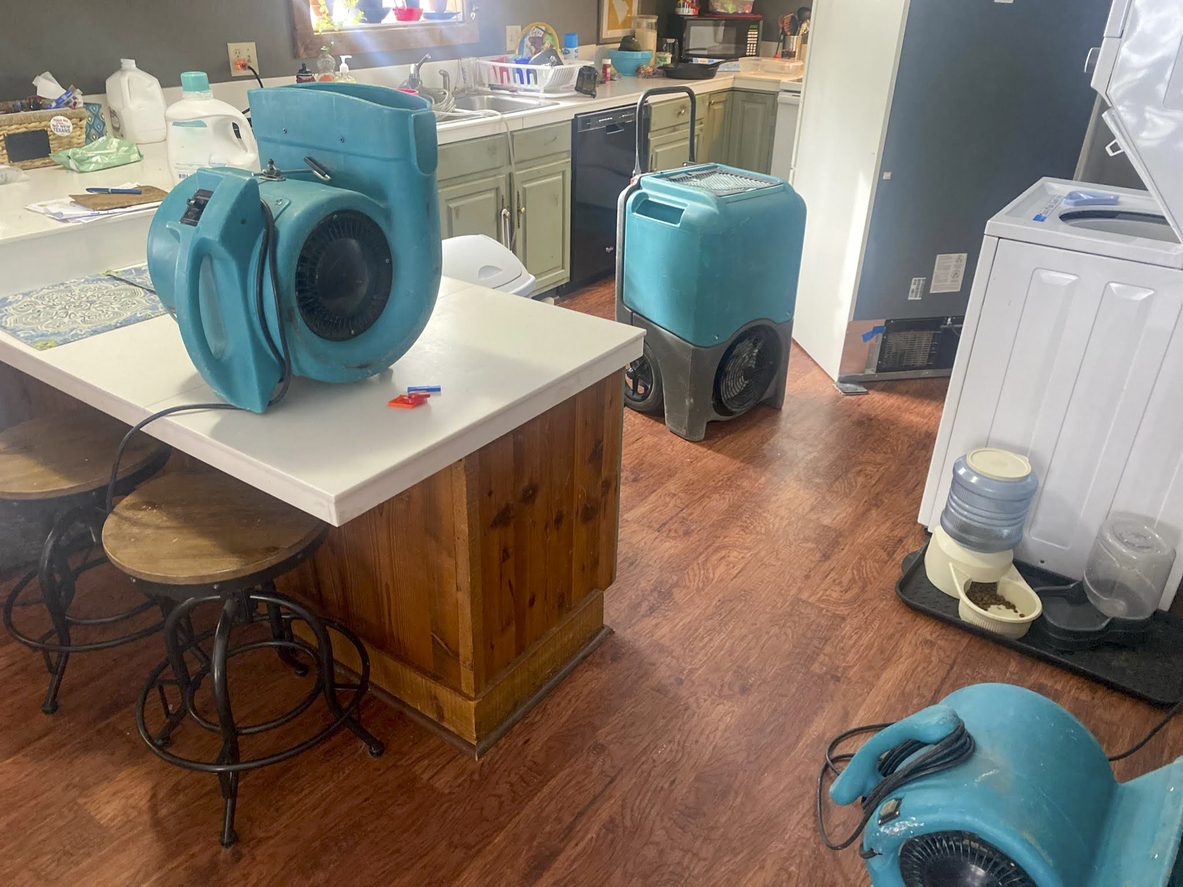
- Run fans and dehumidifiers to lower indoor humidity
- Repair roof, window, and plumbing leaks promptly
- Schedule a professional inspection if flooding or significant leaks occurred
At Five Star Restoration, we use moisture meters, thermal imaging, commercial drying equipment, and antimicrobial treatments to ensure hidden moisture does not remain behind.
Areas that look dry on the surface may still contain moisture deep inside walls or flooring, making professional drying well worth the investment.
Stay Ahead of Mold Before It Spreads
Summer storms do not have to lead to long-term mold problems. Acting quickly after water damage, monitoring your home for warning signs, and contacting a professional restoration service when needed can prevent minor moisture issues from becoming costly repairs.
If your home has experienced storm damage, flooding, or suspicious mold growth, contact Five Star Restoration. Our experienced team provides fast water extraction, professional drying, mold remediation, and complete restoration services to help protect your home and your family's health.
Storm Damage or Mold Concerns?
We handle water extraction, drying, mold testing, and remediation. Call us now or request an estimate.
(844) 747-2110Get Free Estimate →No obligation. Crews available 24 hours a day.