Flames are probably the first thing that comes to mind when you think of fire damage, but your property does not have to be on fire to suffer damage from one.
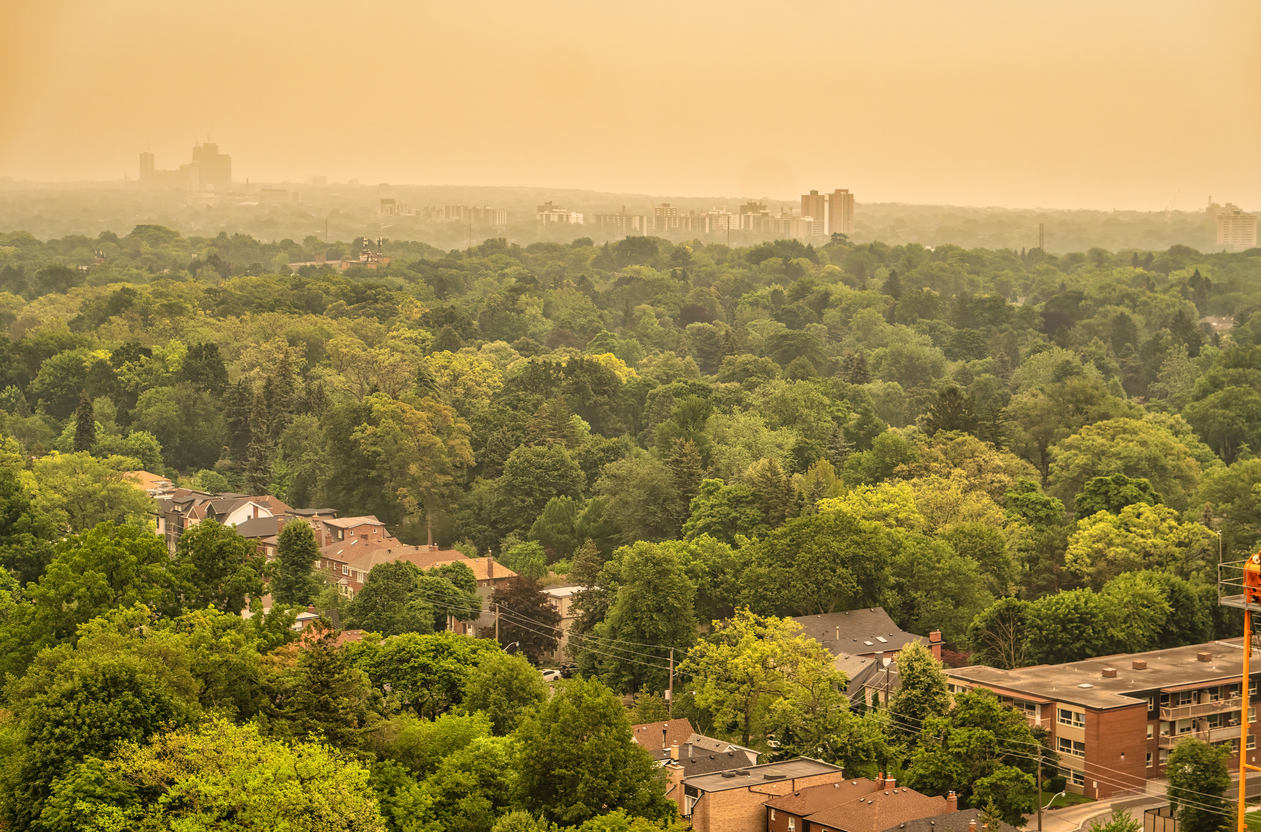
Smoke from a nearby house fire or wildfire can travel surprisingly far. Once it reaches your home, tiny airborne particles can enter through doors, windows, vents, and HVAC systems, leaving behind odors, residue, and potentially harmful contaminants.
Understanding the signs of smoke damage can help you act fast, even when the flames are far from your front door.
How Smoke From a Nearby Fire Gets Inside
Smoke is made up of gases and microscopic particles that can travel through the air and find their way into seemingly closed-off spaces.
Depending on wind conditions, the size of the fire, and your home's ventilation, smoke may enter through:
- Open doors and windows
- Attic and crawl space vents
- HVAC intake systems
- Gaps around doors and windows
- Chimneys and exhaust vents
Once inside, smoke particles can settle on walls, ceilings, furniture, flooring, fabrics, and other surfaces.
After a nearby fire, keep windows and doors closed. Consider turning off systems that draw outdoor air inside until local air conditions improve.
Smoke Damage Is Not Always Easy to See
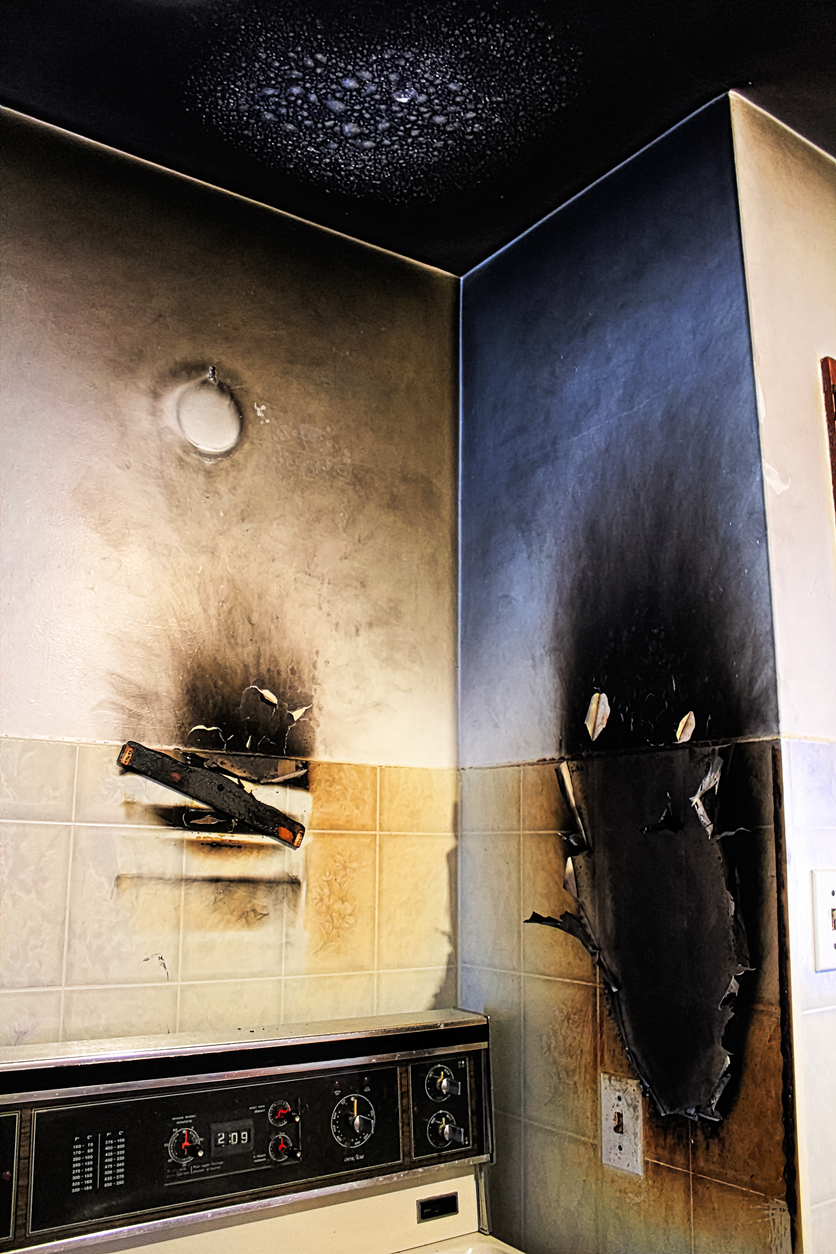
A layer of black soot is an obvious warning sign, but smoke damage can be a lot less obvious. In many cases, your nose detects the problem before your eyes do.
Watch for signs such as:
- Persistent smoky or burnt odors
- Gray, black, or yellowish residue
- Discoloration around vents
- Soot on window sills or furniture
- Smoke odors embedded in carpets or upholstery
Smoke particles love settling into porous materials, making odors hard to eliminate with over-the-counter cleaning products.
Do not assume an air freshener or scented candle has solved the problem. Masking smoke odor is not the same as removing the particles causing it.
Your HVAC System Can Actually Spread the Problem
Your HVAC system circulates air throughout your home, which can become a problem if smoke gets inside.
Smoke particles that enter ductwork or the HVAC system may be spread to rooms that were initially unaffected. Filters can capture some particles, but they may not effectively remove all soot, odors, or contaminants.
That is why professional smoke damage restoration often looks beyond visible surfaces to determine the extent of smoke contamination. If you notice smoky odors coming from vents after a nearby fire, have the situation professionally assessed before relying on a new air filter to fix everything.
Smoke or soot in your home?
We handle smoke damage cleanup, odor removal, and HVAC decontamination. Call us now.
Why Professional Smoke Damage Cleanup Matters
DIY cleaning might remove some surface residue, but improper techniques often smear soot or push contaminants deeper into porous materials. Professional restoration specialists evaluate the type and extent of the smoke damage to determine the appropriate cleaning and deodorization methods.
Depending on the situation, restoration may include:
- Surface cleaning
- Odor removal
- Air filtration
- Treatment of affected contents
The sooner you address smoke residue, the better your odds are of preventing lingering odors and additional material damage.
Avoid scrubbing visible soot with water before identifying the type of residue. Some soot can smear and become more difficult to remove.
Do Not Let Lingering Smoke Leave Its Mark
A nearby fire does not have to burn your property to leave its smoky mark. If smoke, soot, or stubborn odors have penetrated your home, prompt professional attention can help restore clean, comfortable indoor conditions.
Contact Five Star Restoration for professional smoke and soot damage restoration. Our experienced team can assess affected areas, address stubborn residue and odors, and help get your home back to feeling like home again.
Smoke or Soot Damage?
We handle smoke cleanup, odor removal, and full restoration. Call us now or request an estimate.
(844) 747-2110Get Free Estimate →No obligation. Crews available 24 hours a day.