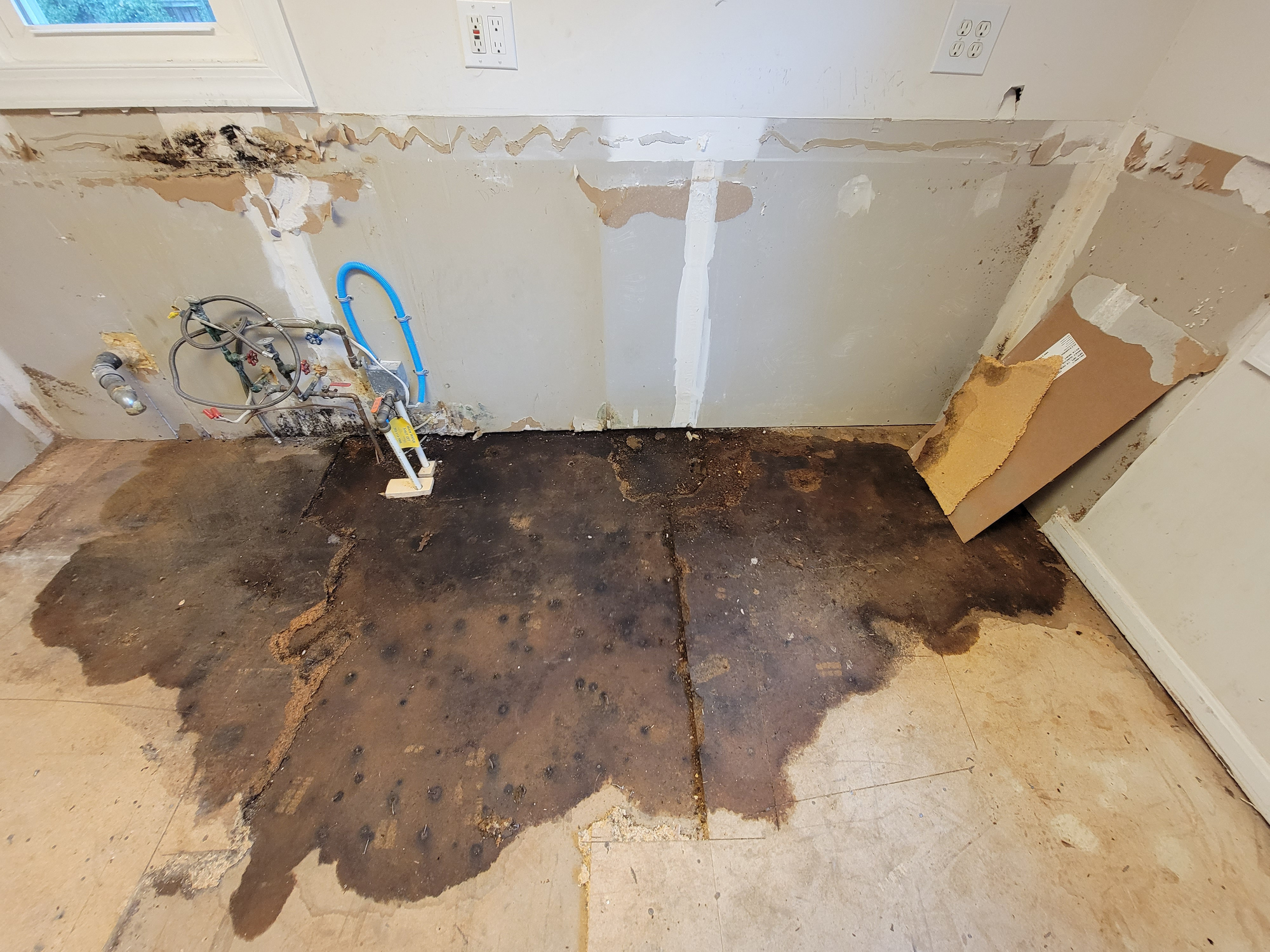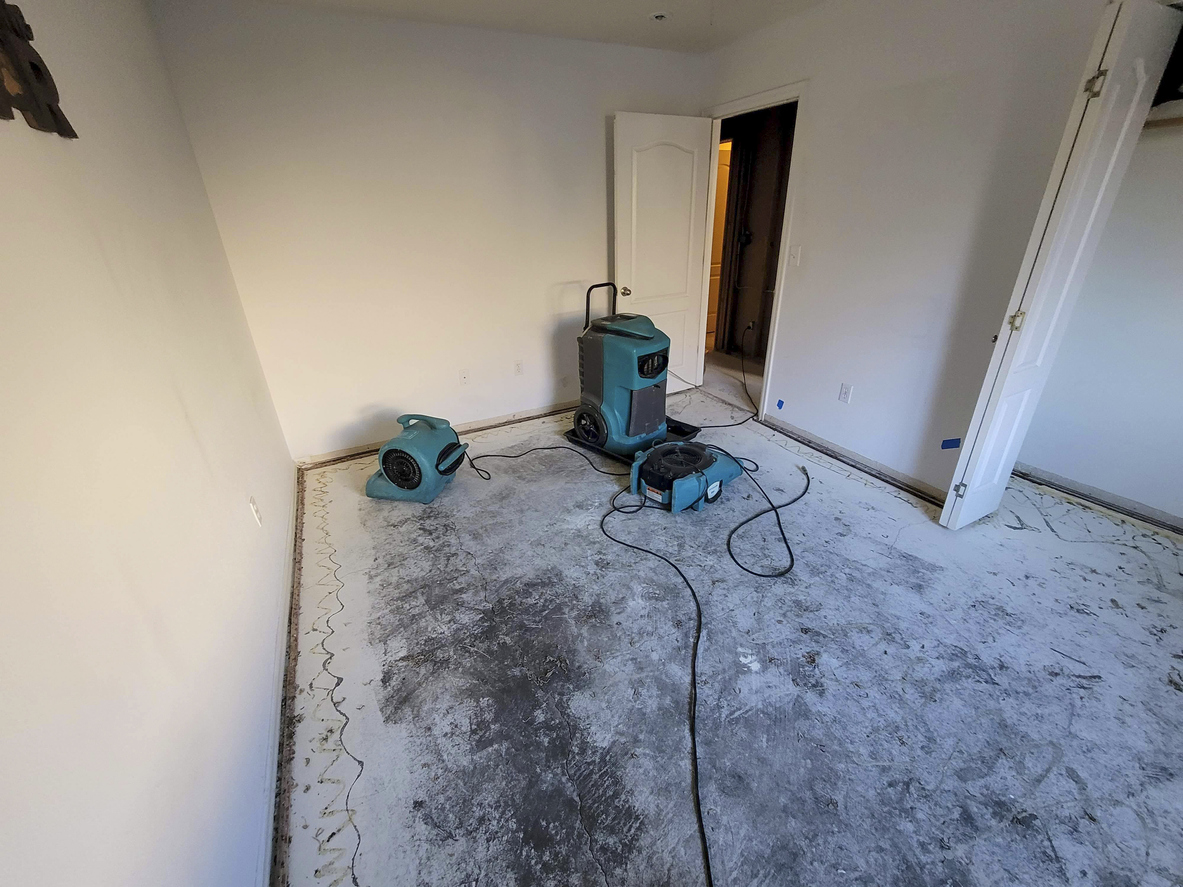
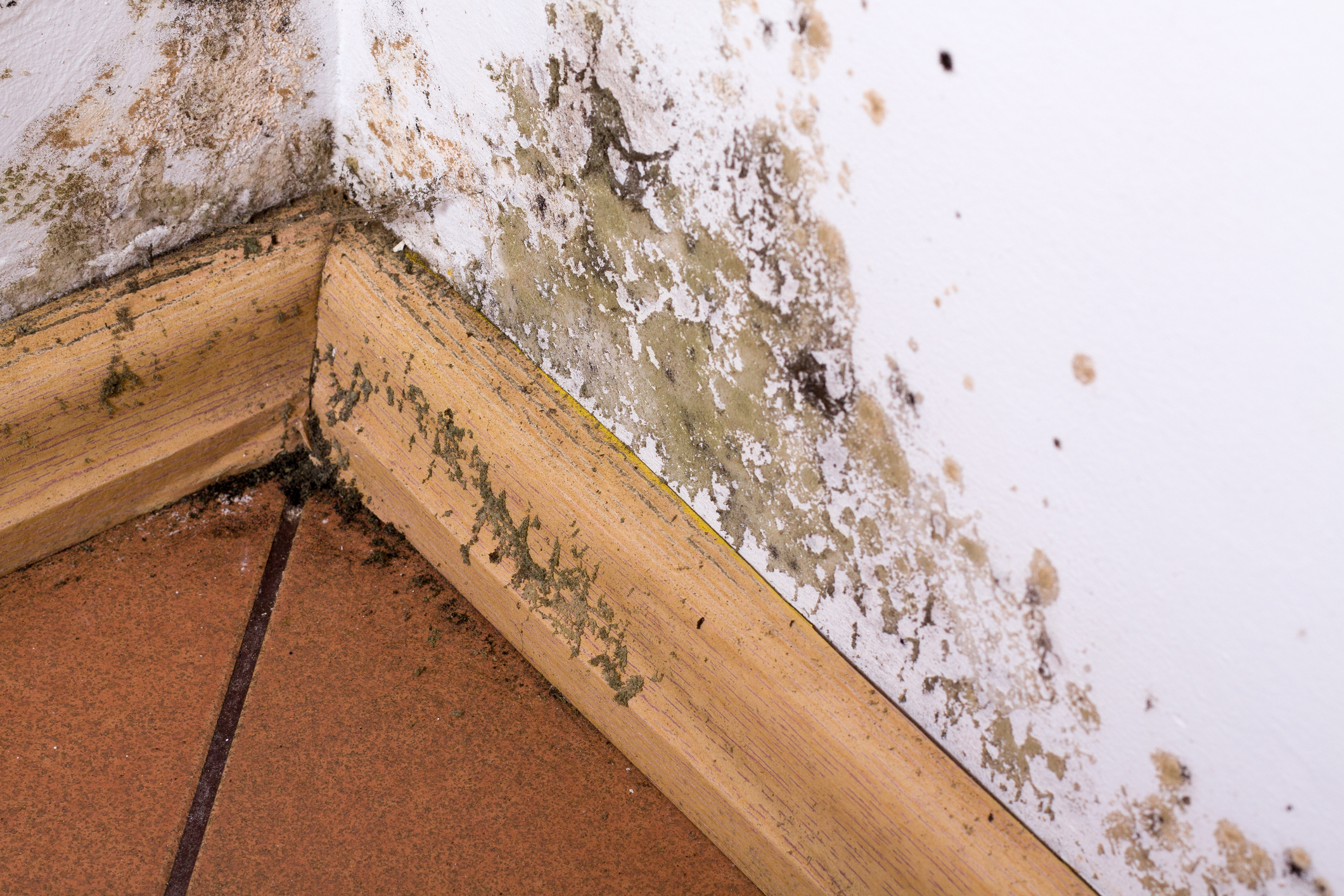
Most homeowners know that water damage is bad. Fewer realize that mold is often the bigger problem — and that it starts before the floors are even dry. Under the right conditions, mold colonies can begin forming within 24 to 48 hours of water exposure. By the time you see or smell it, it has already been growing for days.
The good news is that mold after a flood or leak is not inevitable. It is a race against time, and if you move fast and make the right calls, you can win it. Here is what our crews do and what we tell every homeowner to do themselves in the hours after water damage.
1 Understand the 48-Hour Window
Mold needs three things to grow: moisture, a food source, and the right temperature. After a flood or leak, two of those three are already present in most homes. Drywall, wood framing, insulation, and carpet all serve as food sources. The only variable you can control is moisture — and the clock starts the moment water makes contact with those materials.
At normal indoor temperatures, mold can begin colonizing within 24 to 48 hours on wet drywall and within 72 hours on wood framing. This is not a guideline — it is the biological reality. Professional restoration crews treat every water damage job as a 48-hour emergency for exactly this reason.
2 Remove Standing Water Immediately
Every hour of standing water is an hour of deeper absorption into the materials below it. Subfloors, concrete slabs, and wall bases all wick moisture upward. The faster you remove the bulk water, the less material becomes saturated and the faster the overall drying time.
Use a wet/dry shop vac for smaller amounts. For significant flooding, professional extraction equipment removes water at a rate that consumer tools simply cannot match — a truck-mounted extractor can remove hundreds of gallons in the time it would take a shop vac to make a dent.
Do not use a standard household vacuum. Do not use a regular mop and assume the floor is dry because the surface looks dry. Surface dry and structurally dry are completely different conditions.
3 Get Air Moving — the Right Way
Once the bulk water is removed, airflow is your next tool. Open windows and doors if outdoor humidity is lower than indoor humidity. Use fans to create cross-ventilation through the affected area. Run your HVAC system if it has not been water-damaged — it will help pull moisture out of the air.
What you want to avoid is trapping humid air in an enclosed space. A wet room with no airflow is an ideal mold incubator. The goal is to drop the relative humidity in the affected area below 50 percent as quickly as possible.
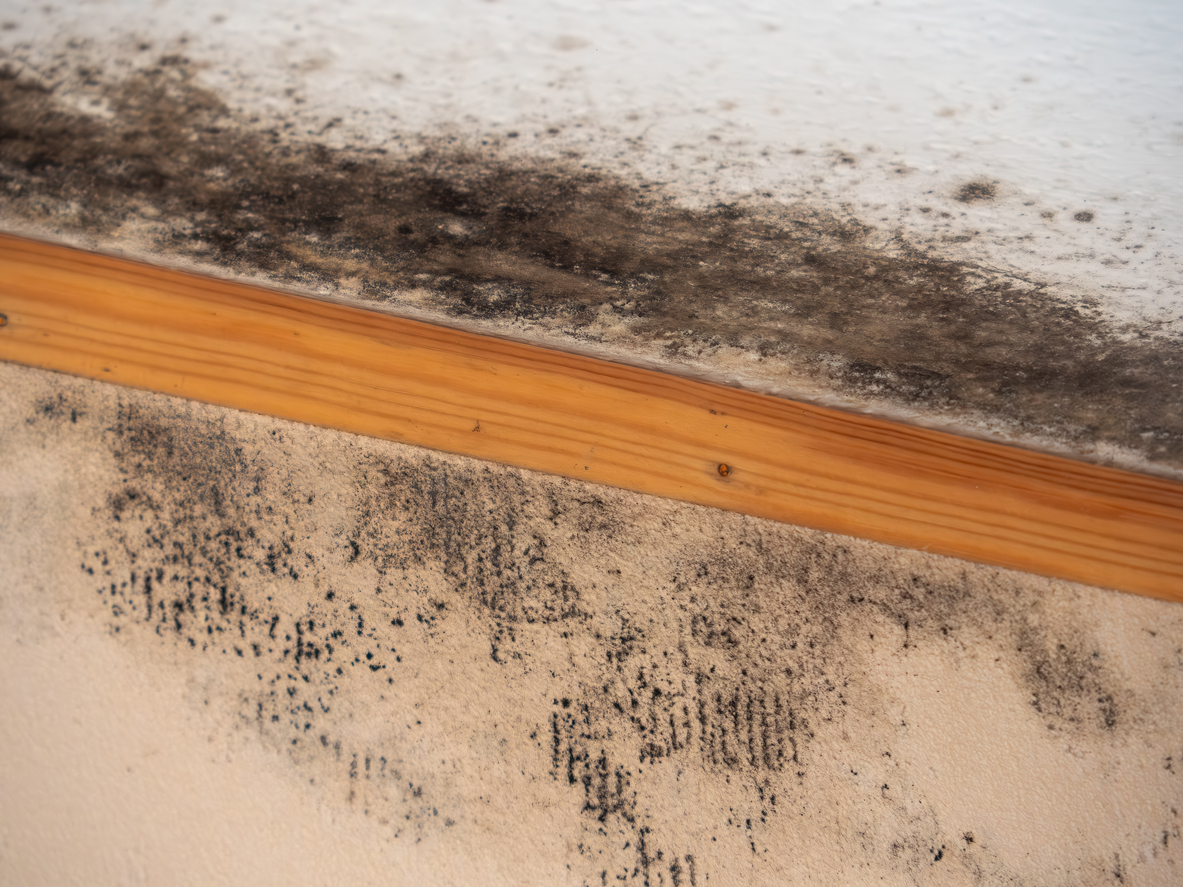
Already seeing or smelling mold?
Do not disturb it. Mold spreads when agitated. Call us and we will assess the scope and contain it properly.
4 Use Dehumidifiers in Enclosed Spaces
Fans move air but do not remove moisture from it. Dehumidifiers pull water vapor out of the air and collect it as liquid. In enclosed spaces — basements, closets, bathrooms, crawl spaces — a dehumidifier running continuously is one of the most effective tools for mold prevention after water damage.
Consumer dehumidifiers are better than nothing, but they are rated for ambient humidity control in normal conditions — not for post-flood structural drying. Commercial-grade units used by restoration crews pull many times more moisture per day. If you have significant water damage in an enclosed area, a consumer unit alone will not dry the structure fast enough to stay ahead of mold growth.
5 Remove Saturated Materials That Cannot Be Dried
Some materials hold moisture so well that they cannot be effectively dried in place. Carpet and carpet padding are the most common — once fully saturated, padding in particular retains moisture for days even with fans running, and mold will grow underneath it before the surface feels dry.
Other materials that typically need to be removed rather than dried include insulation inside walls, particleboard subfloors, and heavily saturated drywall. This is not a decision to make lightly — it means repair costs — but leaving these materials in place almost guarantees a mold problem within days.
A professional moisture assessment can tell you which materials are salvageable and which need to come out. This is one of the most valuable things a restoration crew does early in a job — it avoids the cost of removing and replacing materials that were already at a mold stage when drying started.
6 Do Not Close Up the Space Too Soon
One of the most common mistakes homeowners make after water damage is sealing up the affected area — closing doors, replacing flooring, or painting over damp walls — before the structure is verified dry. Moisture trapped behind finishes creates ideal mold conditions with no airflow and no visibility.
Drywall and framing that reads visually dry to the eye can still hold enough moisture to support mold growth. The only way to confirm structural dryness is with a moisture meter. Restoration professionals take readings over several days to confirm the material has reached acceptable levels before any work is closed up.
7 Know When the Problem Is Already Beyond Prevention
If it has been more than 48 hours since the water event and you have not been running drying equipment, mold is likely already present in the affected materials — even if you cannot see it yet. Visible mold on surfaces is always accompanied by a larger colony inside the material it is growing on.
At this stage the conversation shifts from prevention to remediation. Attempting to clean visible mold with household products without addressing the colony inside the material, sealing off the area, or using proper PPE can spread spores through the rest of your home and make the problem significantly worse.
If you are past the prevention window, the right call is a professional mold assessment. Our crews use moisture meters and air quality testing to determine the extent of growth, contain the affected area, and remediate properly so the problem does not come back.
The Mistakes That Turn a Small Problem Into a Big One
- Waiting more than 24 to 48 hours to begin drying after water damage
- Relying on surface appearance to judge whether materials are dry
- Using fans alone without removing bulk water first
- Leaving saturated carpet, padding, or insulation in place
- Closing up walls, floors, or ceilings before verifying moisture levels
- Attempting to clean visible mold without containing the area first
- Using bleach on porous materials — it does not penetrate and the mold returns
Worried About Mold After a Flood or Leak?
Call us now. The sooner we assess the situation, the more we can prevent.
(844) 747-2110 Get Free Estimate →No obligation. Crews available 24 hours a day.