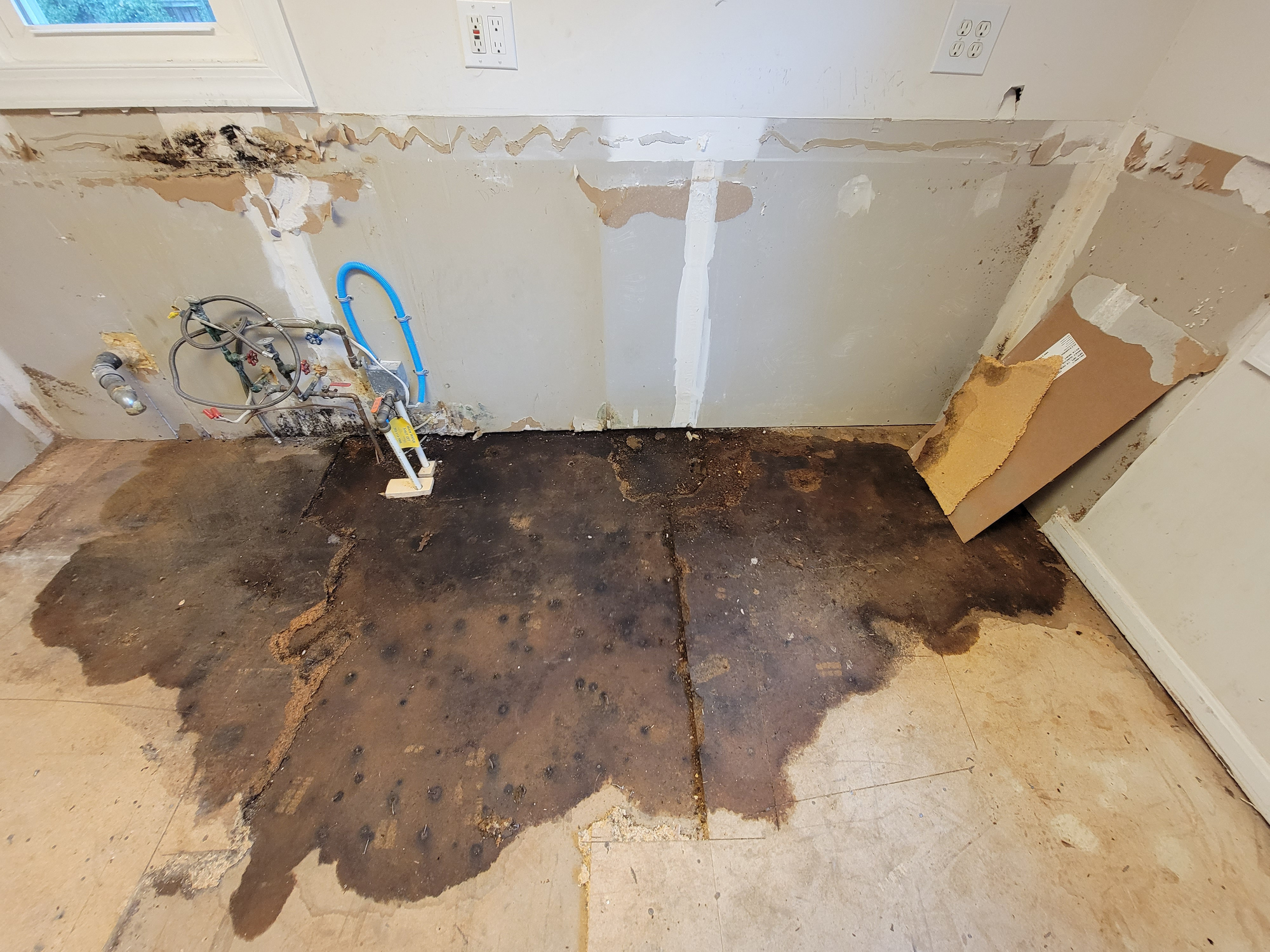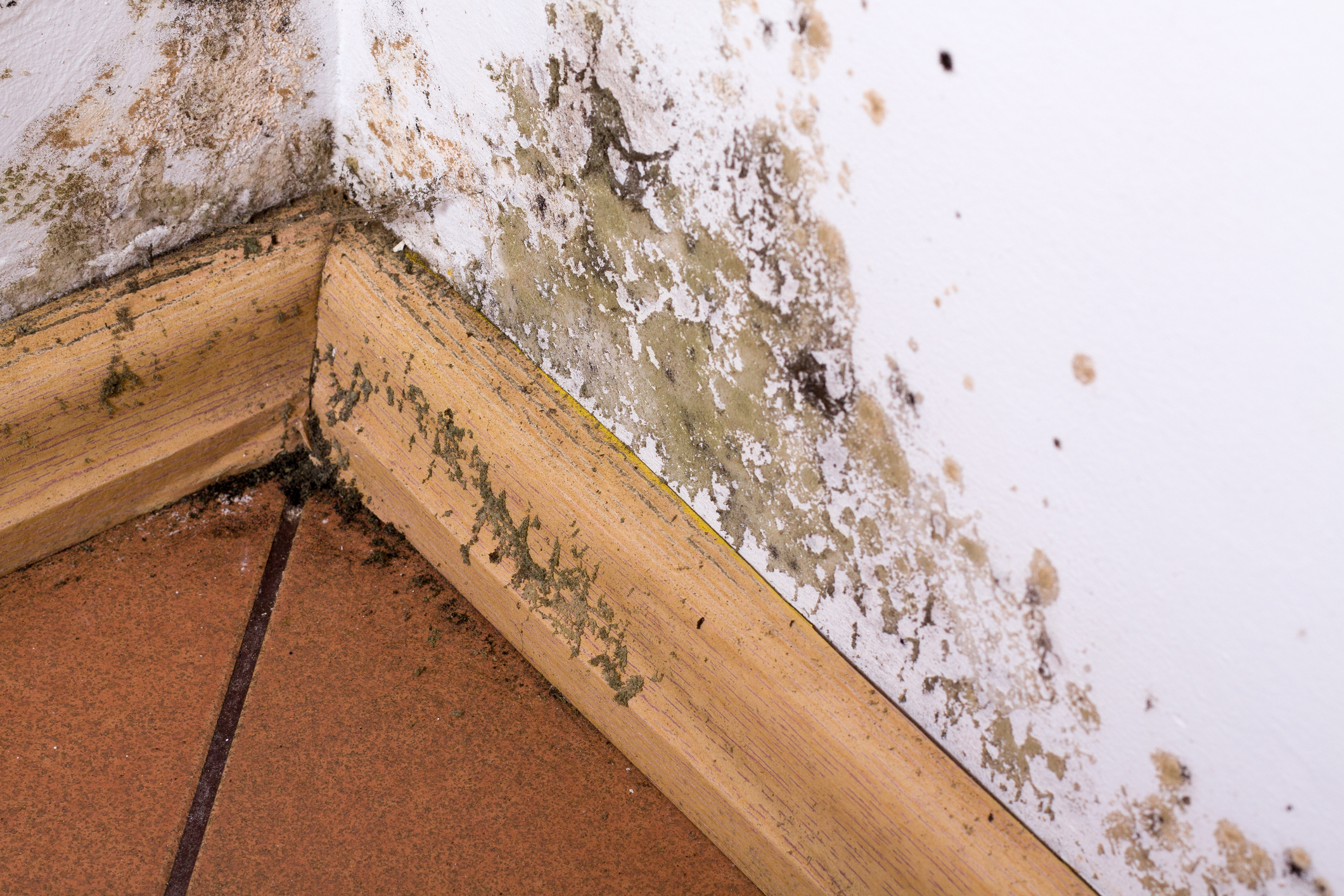
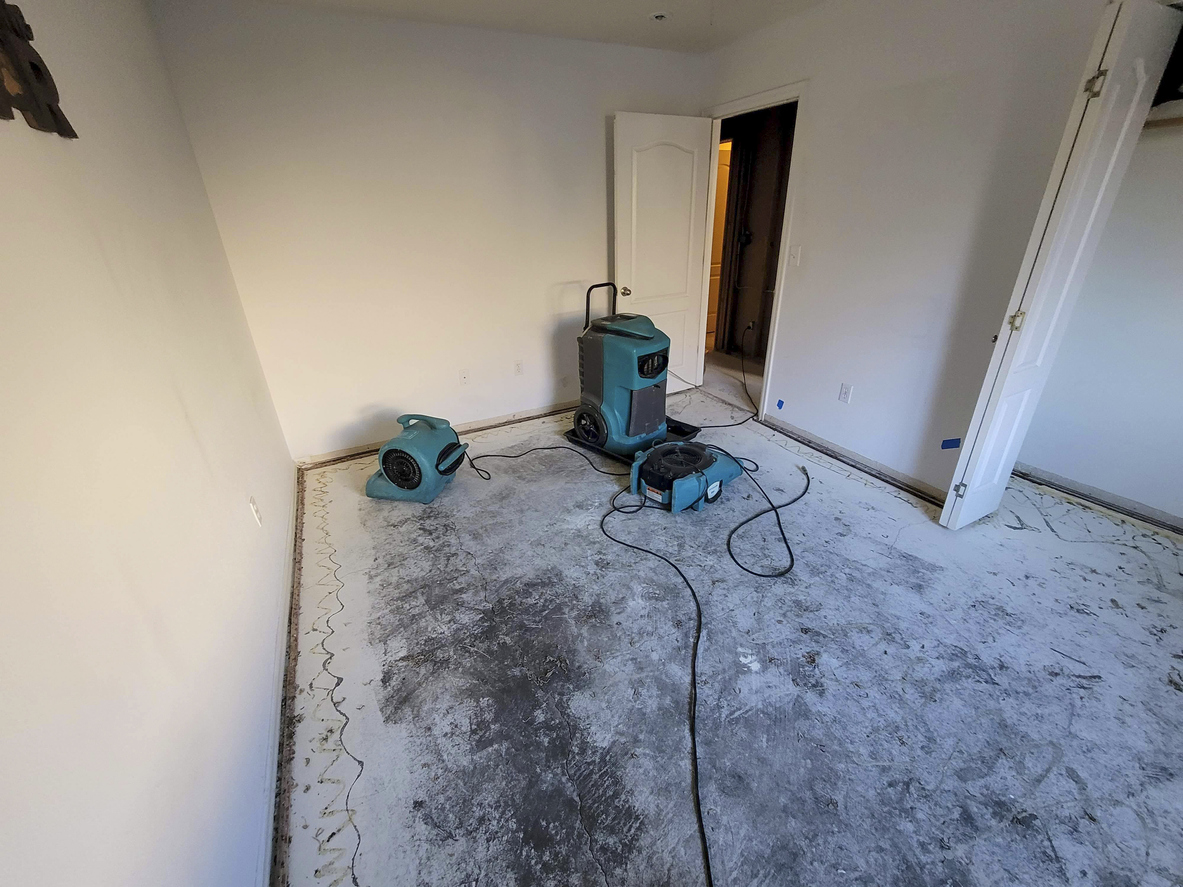
When water floods into your home, every hour that passes without action compounds the damage. Structural materials absorb moisture. Mold starts its clock. Insurance documentation gets harder to prove. The decisions you make in the first 24 hours determine how bad the repair bill gets and how smoothly the insurance claim goes.
This is the exact sequence our crews walk homeowners through when we arrive on site. Follow it whether you are waiting for us or handling the first steps yourself.
1 Make Sure It Is Safe to Enter
Before you step into a flooded area, stop. Water and electricity are a lethal combination. If the water has reached any electrical outlets, appliances, or your breaker panel, do not enter until the power has been shut off at the main breaker — and do not touch the breaker panel if it is standing in water.
If you smell gas, leave the property immediately and call your gas company before anything else. Structural damage from flooding can also compromise ceilings and floors — look for sagging overhead before walking into a room.
2 Stop the Water Source
If the water is still coming in, your first job is to stop it. For a burst pipe or appliance failure, shut off the main water supply valve — typically located near your water meter, under a sink, or in a utility room. Know where yours is before you ever need it.
If the source is a roof leak or flood water from outside, you cannot stop it the same way, but you can move valuables out of the affected area and begin documenting immediately while the water is still present.
3 Document Everything Before You Touch It
This step is critical for your insurance claim and almost always skipped in the panic of the moment. Before you move anything or start cleaning up, take photos and video of every affected area. Walk every room. Capture the water level, the soaked materials, the damaged contents.
Your phone is your most important tool right now. Document:
- The water source or entry point
- Every room with standing water or wet materials
- Damaged furniture, appliances, and personal property
- Any visible structural damage to walls, ceilings, or floors
- Serial numbers and model information on damaged appliances
Dealing with water damage right now?
Call us and we will walk you through the documentation process while dispatching a crew to your location.
4 Call Your Insurance Company
Report the claim as early as possible. Most policies require prompt notification and delays can create complications. When you call, have your policy number ready and keep the conversation factual — describe what happened and when, without speculating about cause or cost.
Ask for a claim number immediately and write it down. Ask about your coverage for temporary housing if the damage is severe enough to make your home uninhabitable. Do not agree to any repair work or sign any authorization before understanding what your policy covers.
5 Remove Standing Water as Fast as Possible
Standing water is the enemy. Every additional hour it sits, it absorbs further into subfloors, wall framing, and insulation — materials that are expensive to dry and often need to be replaced once saturated. If you have a wet/dry shop vac, use it. Mops and towels for smaller amounts.
Do not use a standard household vacuum — it is not designed for water and creates a shock hazard. Do not use fans or heating to speed drying before the water is removed; you will push moisture deeper into materials and accelerate mold growth.
6 Move Salvageable Contents Out of the Area
Once the immediate safety concerns are addressed, move furniture, rugs, clothing, electronics, and documents out of the wet area and into a dry space. The longer these items sit in moisture, the less likely they are to be salvageable.
Do not stack wet items on top of each other. Lay rugs flat in a dry area with airflow if possible. For documents and photos, do not attempt to dry them with heat — air dry flat or, for irreplaceable items, place in a bag and freeze until professional help is available.
7 Call a Restoration Professional
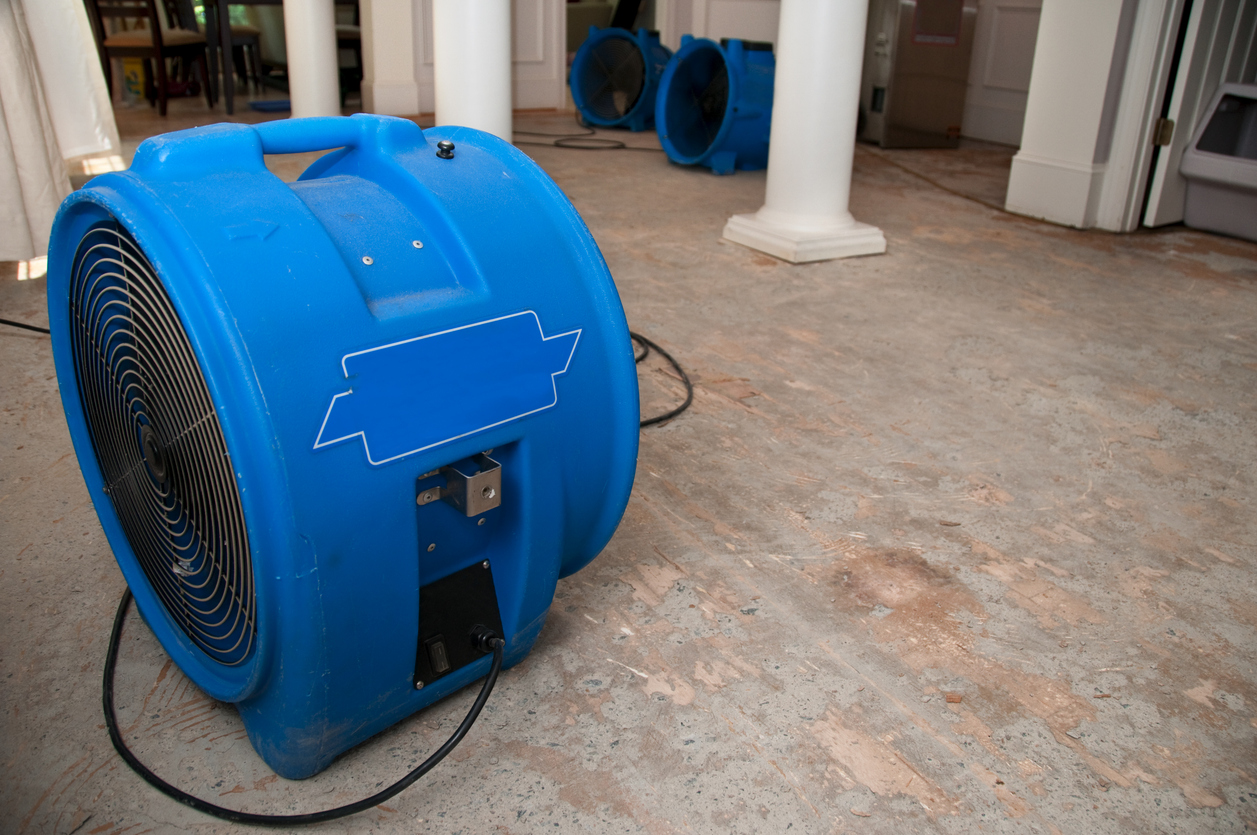
This is the step homeowners delay most and regret most. Professional water damage restoration is not just about removing visible water. It is about using moisture meters and thermal imaging to find water in walls and subfloors that you cannot see, and then using commercial-grade drying equipment to bring the structure back to acceptable moisture levels before mold sets in.
Consumer fans and dehumidifiers are not adequate for structural drying. They move air but do not have the capacity to pull moisture out of wall cavities, floor systems, or concrete. By the time visible mold appears — usually within 3 to 5 days — the remediation scope and cost has grown significantly.
The sooner a professional crew is on site, the more material can be saved and the lower the final bill. Most legitimate restoration companies are available 24 hours a day for exactly this reason.
What Not to Do in the First 24 Hours
- Do not enter a flooded area without confirming the power is off
- Do not use a standard household vacuum on standing water
- Do not turn on ceiling fans or HVAC in water-damaged rooms
- Do not throw away damaged items before documenting them for insurance
- Do not sign any repair authorization before reviewing your policy coverage
- Do not assume the damage is dry because the visible water is gone
Need a Crew on Site Today?
Call us now and we will dispatch a certified restoration team to your property.
(844) 747-2110 Get Free Estimate →No obligation. Crews available 24 hours a day.